Start with the purpose of the appraisal
A piano appraisal is only useful when the purpose is clear. A homeowner considering a private sale needs different information from a buyer deciding whether a used piano is worth moving. An insurance company may ask for replacement-value documentation in a specific format. Estate, tax, donation or legal matters can impose separate qualification and reporting requirements.
Tell us who will use the opinion and what decision it needs to support. We will confirm the appropriate scope before an appointment. We do not promise that one inspection format will satisfy every insurer, lawyer, accountant or government agency.
Appraisal, assessment and inspection are not identical
Resale appraisal guidance
A value opinion should consider the instrument's identity, condition and realistic local market, not only an optimistic asking price from another listing.
Insurance documentation
The insurer may define the required value basis and document format. Send those requirements before the inspection so the scope can be confirmed.
Pre-purchase inspection
This focuses on whether the piano is structurally and mechanically worth buying, moving, repairing and tuning. It may be more useful than a value number alone.
Condition assessment
This documents observable structural, action, tuning and cabinet concerns. It can guide repair planning without automatically assigning a formal value.
What affects an acoustic piano's value
Brand and age are only the beginning. Two pianos with the same name on the fallboard can have very different values after years of humidity exposure, inconsistent service or heavy institutional use. Serial information helps identify the model and approximate production period, but condition determines whether that history is still meaningful.
- Identity: manufacturer, model, serial number, size and country of manufacture.
- Structural condition: bridges, soundboard, plate, pinblock indicators and evidence of water or humidity damage.
- Tuning stability: present pitch, tuning-pin behaviour and service history.
- Mechanical condition: key response, action wear, hammers, dampers, pedals and regulation needs.
- Cabinet condition: finish, veneer, missing parts and prior cosmetic work.
- Market context: comparable instruments, local demand and the cost of moving and required service.
An old upright can carry significant family meaning while having limited resale demand. A familiar brand can still be a poor purchase if repair and moving costs exceed its practical value. The goal is an honest decision, not the highest possible number.
Why listing photos are not enough
Good photographs can confirm the brand, cabinet style, obvious damage and sometimes the serial number. They cannot reliably show how the tuning pins hold, whether keys return evenly, how the dampers perform or whether repairs have altered the action. Camera angles also hide wall-side cabinet damage and interior areas that sellers rarely photograph.
A remote preliminary review may identify obvious concerns and help decide whether an on-site visit is worthwhile. It should not be presented as a complete physical inspection. For a private purchase, arrange the condition review before committing to moving costs whenever possible.
Information to send before the appointment
- Explain whether the request is for purchase, resale, insurance, estate planning or another purpose.
- Send the brand, model and serial number if safely accessible.
- Provide the piano's address and whether it is an upright, baby grand or grand.
- Include clear photographs of the full piano, keyboard, pedals, cabinet damage and interior areas that can be opened safely.
- Share the last known tuning date, repair history, water exposure, long storage periods and major moves.
- If a third party requires a written document, send that organization's requirements before booking.
Do not dismantle case parts or reach around strings and action components only to obtain a photograph. We can explain which identifiers are safe to locate.
Used piano appraisal before moving
The purchase price is only one part of a used piano decision. Include professional moving, initial tuning, possible pitch correction, repairs and access difficulty in the total cost. A piano offered for free may still be the expensive choice if it needs structural or action work after delivery.
For a buyer, start with our used piano buying guide and defects to avoid. If the piano is worth proceeding with, Piano Inside can then coordinate the appropriate Toronto piano moving plan and post-move tuning timing.
Piano appraisal questions
Can a piano be appraised from photos alone?
Photos and serial information can support an initial review, but they cannot fully show tuning-pin resistance, action response, bridge condition, soundboard behaviour or hidden repair needs. The required inspection scope depends on how the appraisal will be used.
Is a used piano inspection the same as an appraisal?
No. A pre-purchase inspection focuses on condition, risk and likely service needs. An appraisal focuses on a value opinion for a stated purpose. Some customers need both, but the scope should be confirmed before booking.
Can you provide an appraisal for insurance?
Insurance companies may require a particular document format, value basis or appraiser qualification. Share the insurer's requirements first so we can confirm whether the requested scope can be provided.
What information should I send before a piano appraisal?
Send the brand, model, serial number, approximate age, location, service history, reason for the appraisal and clear photos of the cabinet, keyboard and interior where safely accessible.
Looking Beyond the Cabinet
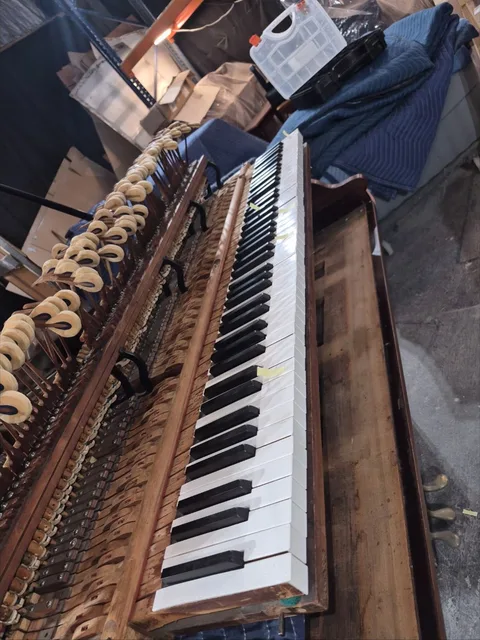
Internal condition matters alongside appearance. An inspection and a written appraisal have different scopes; confirm the intended use of the report before booking.
Request a Toronto piano appraisal review
Use the tuning and technical-service request form. Select appraisal or explain the purpose in the notes, then include the piano details and document requirements you already have.
Open appraisal request form Call Piano Inside