Daily Piano Technician Diary

Explore 25 years of professional piano tuning and moving knowledge.

Choose a piano guide path

Field notes are grouped by the real decisions Toronto piano owners face: keeping a piano stable, buying used, or planning a move.

Technician Diary: Why a Pitch Raise Comes Before Fine Tuning

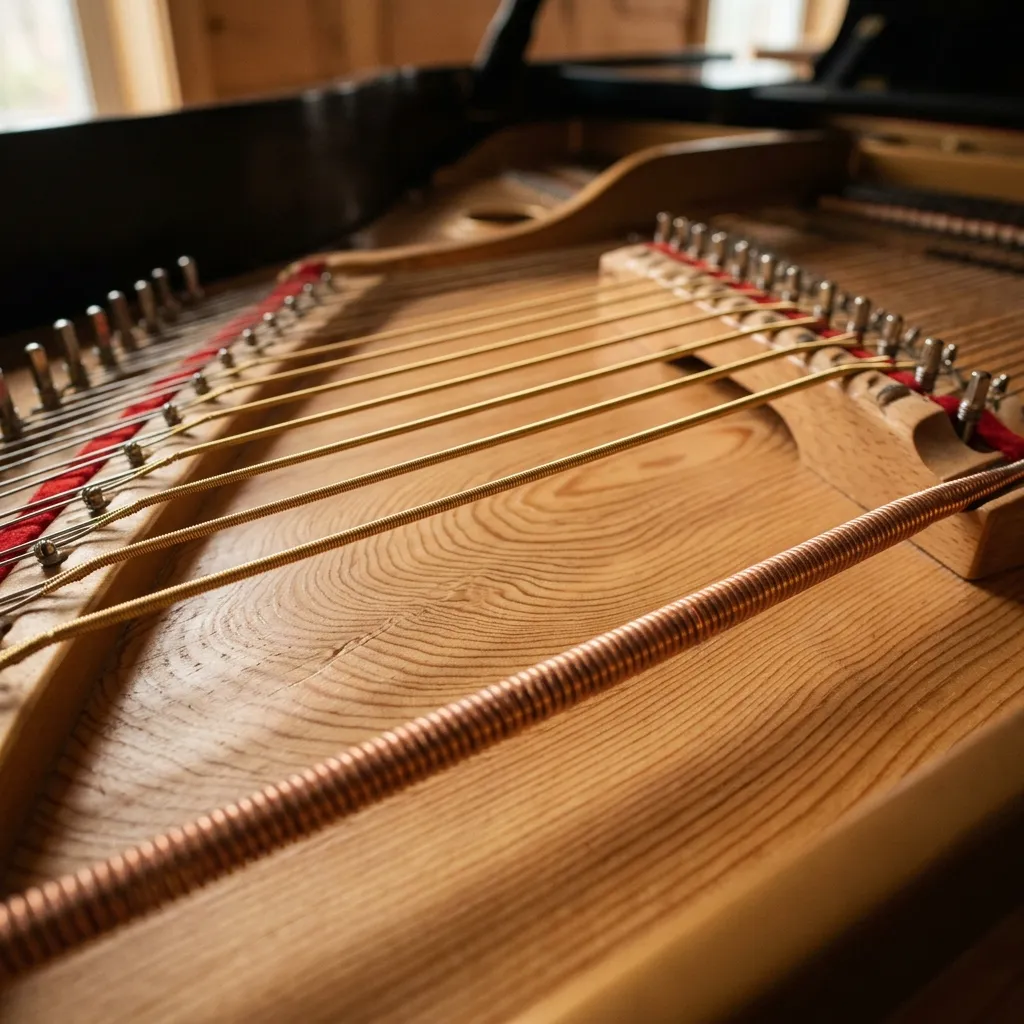
A Piano Inside technician note explaining pitch raises, A440, string tension, stability, and why neglected pianos need staged tuning.

Read Article →

Used Piano Buying Guide: Loose Tuning Pins and Hidden Costs

A technician buying guide on loose tuning pins, pitch stability, pinblocks, and why a cheap used piano can become expensive.

Read Article →

Where to Place a Hygrometer for Piano Humidity Control

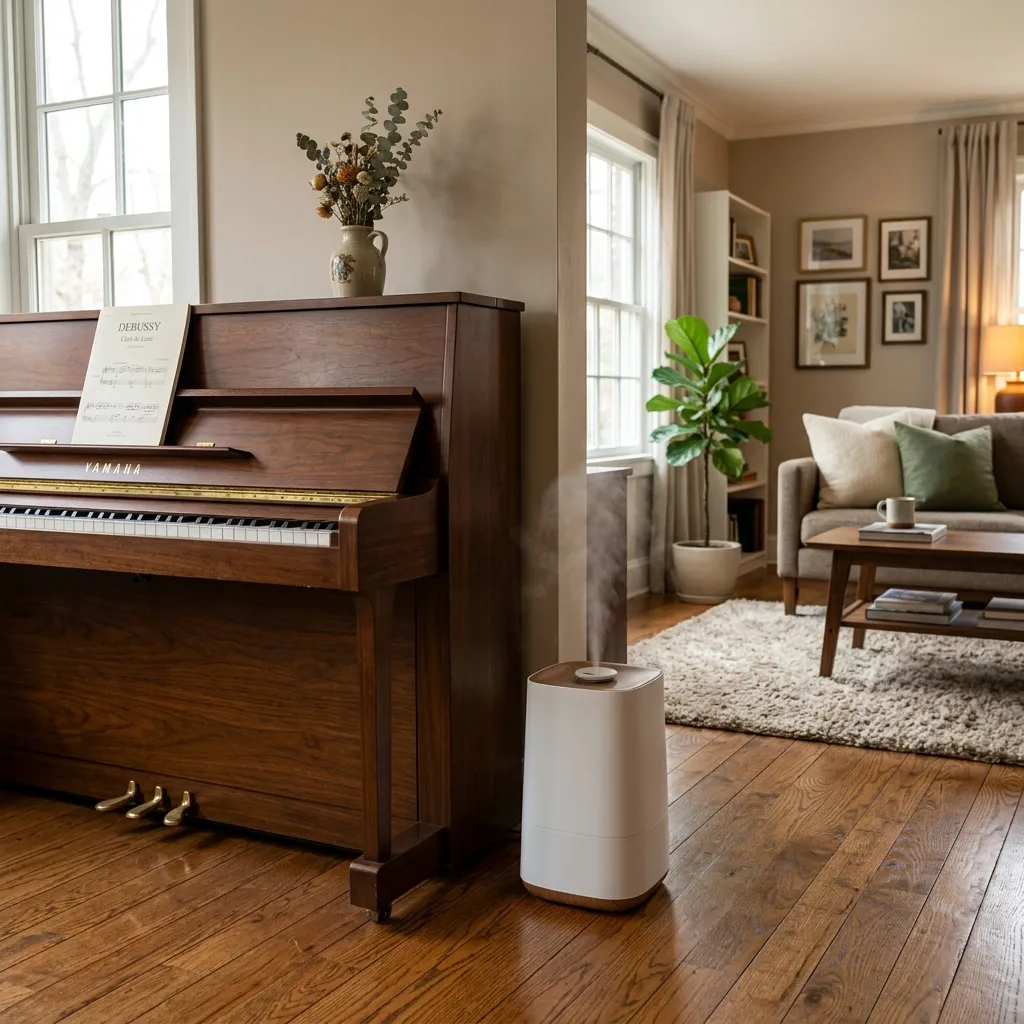
A practical piano humidity guide for Toronto homes covering hygrometer placement, seasonal swings, vents, windows, and stable room care.

Read Article →

Technician Diary: When Humidity Made a Piano Sound Harsh

A Piano Inside technician note on voicing, humidity, hammer felt, and why a piano can still sound harsh after tuning.

Read Article →

Technician Diary: Uneven Piano Touch and Action Regulation

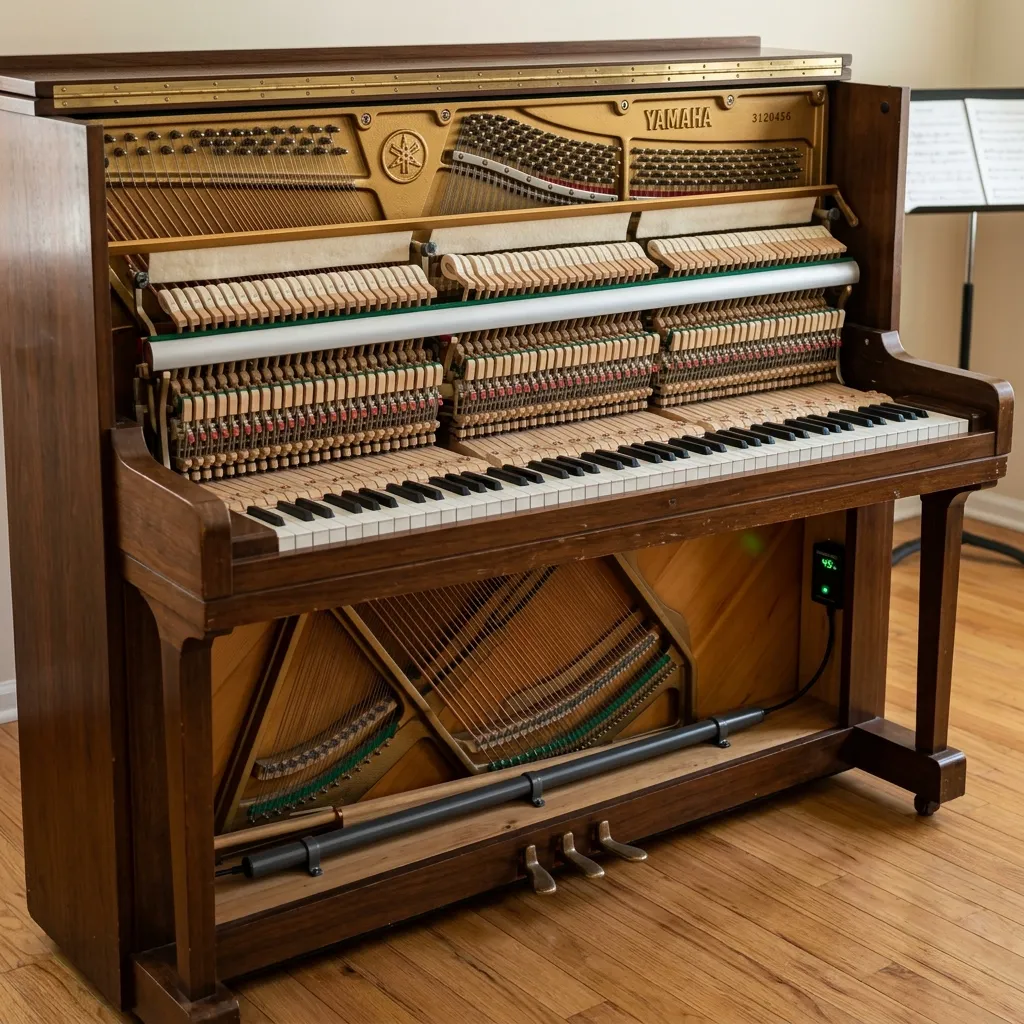
A Piano Inside technician note about uneven keys, sluggish response, action regulation, friction, felt wear, and acoustic piano maintenance.

Read Article →

Technician Diary: Summer Humidity and Piano Tuning Stability

A Toronto piano care note about humid rooms, soundboard swelling, sticky keys, and practical humidity control for acoustic pianos.

Read Article →

Technician Diary: A Piano That Needed a Pitch Raise After Years Without Tuning

A Piano Inside technician note explaining pitch raises, A440, string tension, and why long-neglected pianos often need staged tuning.

Read Article →

Piano Rental for Film, TV & Commercial Productions in Toronto

Plan piano sourcing, specialized set delivery, camera-ready placement, temporary storage and return logistics for Toronto productions.

Plan production piano logistics →

Technician Diary: Comparing a Used Yamaha U1 and U3

A used Yamaha inspection note about cabinet size, tone, action condition, serial history, and room fit.

Read Article →

Technician Diary: Toronto Room Humidity and Slow Piano Keys

A technician note about piano touch, sticking keys, sluggish action, and tuning stability in Toronto homes.

Read Article →

Technician Diary: When Bright Piano Tone Needed Voicing

A Piano Inside technician note about voicing, hammer condition, bright tone, and why tuning alone was not enough.

Read Article →

Technician Diary: Used Upright Piano Inspection for a GTA Family

A used upright inspection note covering tuning pins, action wear, soundboard condition, and moving risk.

Read Article →

Technician Diary: Toronto Piano Tuning After a Humid Season

A Piano Inside technician note about tuning stability, pitch drift, sticky keys, and humidity control in Toronto homes.

Read Article →

Technician Diary: Sticking Piano Keys in a Toronto Home

A technician note about sticking piano keys, humidity, swollen wood, action friction, debris, and seasonal room changes.

Read Article →

Why a Tuned Piano Can Still Sound Too Bright

A technician note explaining how hammer condition, regulation, room acoustics and voicing affect tone after tuning.

Read Article →

Technician Diary: Inspecting a Used Yamaha Upright Before Purchase

A used piano inspection note covering tuning pins, action wear, tone, cabinet condition, and room history.

Read Article →

Technician Diary: The GTA Piano That Changed With the Season

A Piano Inside technician note about humidity, tuning stability, soundboards, keys, and seasonal room changes.

Read Article →

Technician Diary: A Toronto Piano That Needed Time After Moving

An anonymized Piano Inside technician note about tuning after delivery, humidity changes, and room settling in Toronto homes.

Read Article →

Winter Piano Care for Dry Toronto Homes

A technician diary on winter piano care in Toronto homes, including dry heat, soundboard movement, tuning drift, action changes, and humidity control.

Read Article →

Why a Tuned Piano Can Still Sound Too Bright

A technician diary on why a piano can sound harsh even after tuning, and how hammer condition, voicing, regulation, and room acoustics affect tone.

Read Article →

When an Old Piano Needs a Pitch Raise Before Tuning

If a piano has not been tuned for years, a standard tuning may not be enough. Learn when pitch raises are needed and what they protect.

Read Article →

Technician Diary: What I Check First on a Used Upright Piano

An anonymized Piano Inside inspection note about tuning stability, action response, pedals, soundboard clues, and used upright piano value.

Read Article →

Piano Humidity Control in Toronto Homes: A Seasonal Checklist

Toronto homes swing from dry furnace air to humid summers. Use this checklist to protect tuning stability, soundboards, keys, and piano tone.

Read Article →

Piano Tuning After a Move: How Long Should You Wait?

A moved piano needs time to settle before tuning. Learn why Toronto humidity, floor changes, and string tension affect the best tuning window.

Read Article →

How Often Should You Tune a Piano in Toronto?

Not sure when to call a piano tuner? Learn the recommended tuning schedule for Toronto's unique climate.

Read Article →

How to Tell if Your Piano Needs Voicing vs. Tuning

Does your piano sound harsh and bright, or dull and muddy? A tuning won't fix it. Learn the critical difference between tuning strings and voicing hammers.

Read Article →

How Humidity Affects Your Piano's Soundboard in Toronto

The soundboard is the heart of your piano. Discover how Toronto's extreme humidity fluctuations cause cracks, tuning instability, and loss of tone.

Read Article →

How Long Does a Piano Actually Stay in Tune?

Wondering how often you need to call a technician? Learn about the factors that affect tuning stability and why bi-annual maintenance is crucial.

Read Article →

How to Safely Clean Ivory and Plastic Piano Keys

Using the wrong cleaning products can permanently ruin your piano keys. Learn the safest methods to remove dirt and grime from ivory and plastic.

Read Article →

Why Piano Keys Stick and How a Technician Fixes Them

Sticking keys are incredibly frustrating. Discover the root causes behind sluggish keys and the professional methods used to free them.

Read Article →

Why Does My Piano Go Out of Tune When It Rains?

Notice your piano sounding sharp during a heavy rainstorm? Learn how sudden humidity spikes affect the spruce soundboard and string tension.

Read Article →

What is Piano Regulation and Why Does Your Piano Need It?

Tuning only fixes the pitch. If your piano feels clunky or uneven, it needs an action regulation. Learn how we restore the touch and feel.

Read Article →

How to Tell if Your Piano Needs Voicing vs. Tuning

Does your piano sound harsh and bright, or dull and muddy? A tuning won't fix it. Learn the critical difference between tuning strings and voicing hammers.

Read Article →

How Humidity Affects Your Piano's Soundboard in Toronto

The soundboard is the heart of your piano. Discover how Toronto's extreme humidity fluctuations cause cracks, tuning instability, and loss of tone.

Read Article →

How Long Does a Piano Actually Stay in Tune?

Ever wonder why your piano goes out of tune so quickly in Toronto? Learn the hidden factors that affect tuning stability and how to protect your instrument.

Read Article →

What is a Piano Pitch Raise and Do I Need One?

Has it been years since your piano was last tuned? A standard tuning won't be enough. Learn why a pitch raise is critical for neglected pianos.

Read Article →
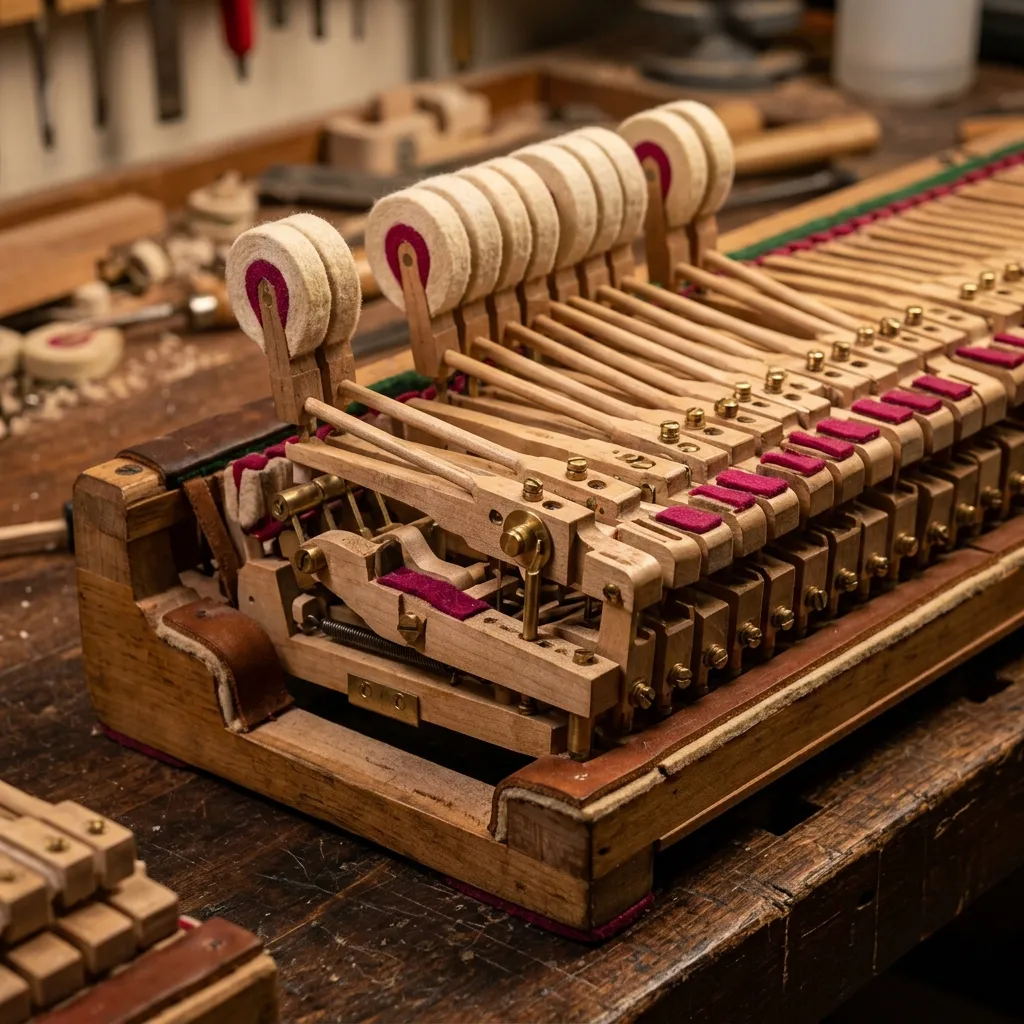
Close up macro shot of the complex mechanical action parts of an acoustic piano

Understanding the Piano Action: Why Do My Keys Feel Heavy?

If your piano keys feel stiff, sluggish, or heavy to press, the problem lies deep within the action. Discover the causes and how we fix it.

Read Article →
A professional piano technician turning a tuning pin

What is a Piano Pitch Raise and Do I Need One?

If your piano hasn't been tuned in years, a standard tuning won't work. Learn why a pitch raise is necessary to stabilize string tension.

Read Article →
Close up of a professional piano tuning hammer

How to Keep Your Piano in Tune Longer in Toronto

Professional tips to fight humidity swings and preserve your piano's A440 pitch.

Read Article →
A technician inspecting the bridge pins of an acoustic piano

How to Prevent Loose Bridge Pins & Tuning Instability in Your Piano

Discover how loose bridge pins cause false beats and tuning instability in pianos, and how professional technicians use CA glue to restore tone.

Read Article →
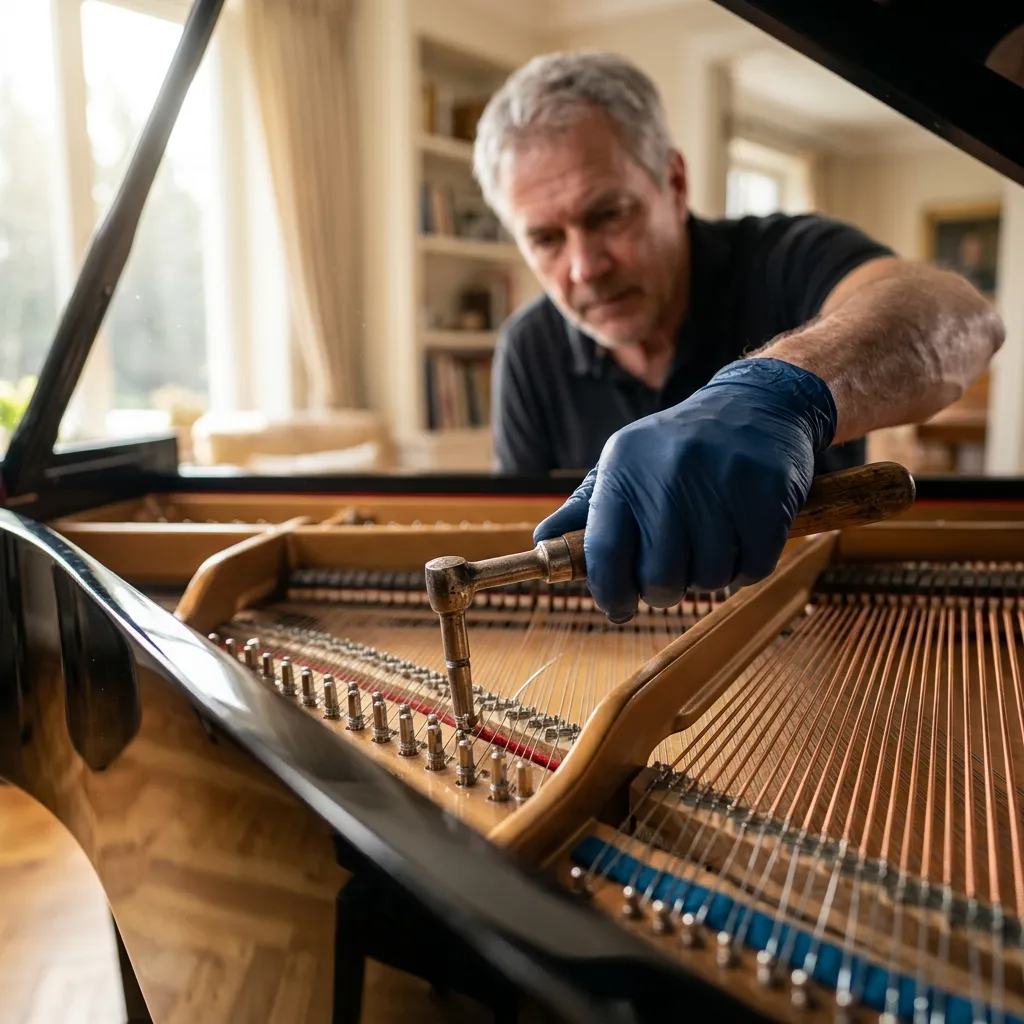
A professional piano technician carefully tuning a grand piano in a sunlit living room

How Often Should You Tune Your Piano in Toronto? (2026 Guide)

Discover exactly how often you should tune your acoustic piano in Toronto and how seasonal humidity affects stability.

Read Article →
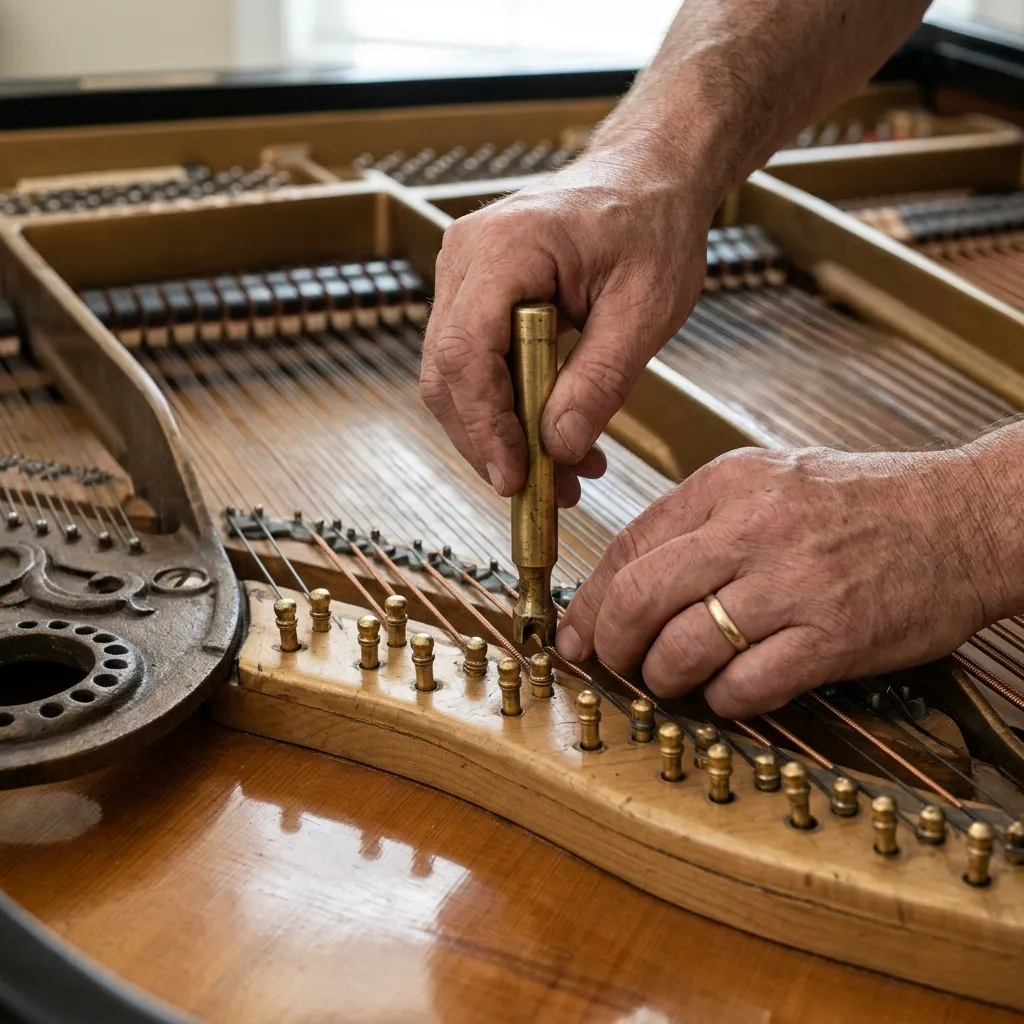
Professional technician seating strings

Seating the Strings: The Technician's Secret to Ultimate Tuning Stability

Learn why professional piano technicians seat the strings at pressure points to ensure long-lasting tuning stability.

Read Article →
Piano in a well-lit living room

The Hidden Impact of Indoor Heating on Your Toronto Piano's Tuning

Discover how extreme humidity changes from indoor heating in Toronto affect your piano's tuning stability and what to do about it.

Read Article →
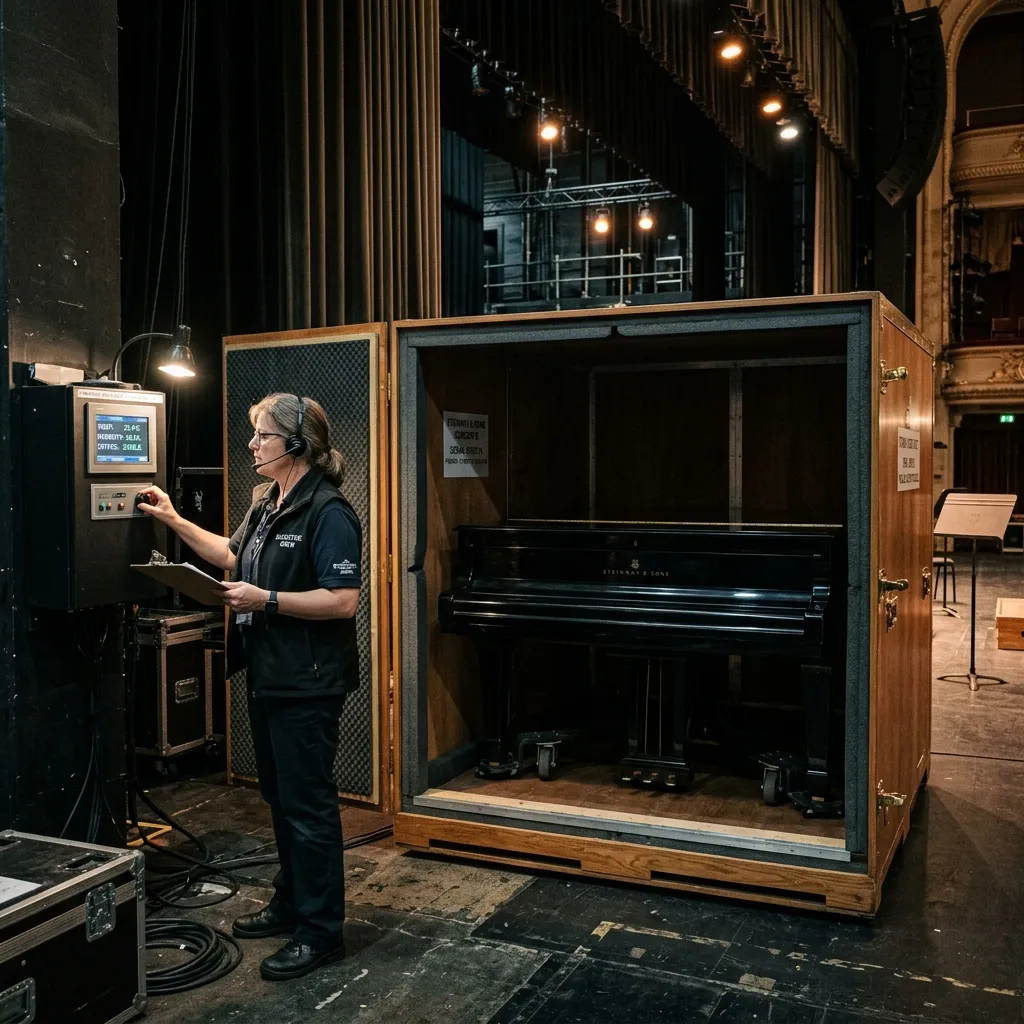
Concert Grand Piano Storage Box

The Science of Storing Concert Grand Pianos: The Storage Box Dilemma

Discover why maintaining a strict climate-controlled box for a concert grand piano inside a non-climate-controlled hall can actually cause severe tuning instability.

Read Article →
Seasonal Humidity Swings

The Hidden Culprit Behind Piano De-Tuning: Seasonal Humidity Swings

Discover how seasonal changes in humidity affect your piano's soundboard, leading to a net drop in pitch every year, and why regular tuning is essential for stability.

Read Article →
How High Humidity Causes Sluggish Piano Actions and Seized Keys

How High Humidity Causes Sluggish Piano Actions and Seized Keys

Discover why high humidity environments can cause grand piano actions to become sluggish, keys to seize, and how professional technicians solve these issues.

Read Article →
Vintage vs Modern Grand Piano

Why Old Pianos Sound Better (Or Do They?): The Myth of the Golden Age Piano

Explore the debate between vintage and modern pianos. Do golden age pianos truly sound better, or is modern piano engineering superior?

Read Article →
Concert Grand Piano Tuning

Why Orchestras Tune to A442: The Secret World of Concert Piano Tuning

Discover the technical reasons why major symphony orchestras demand their concert grand pianos be tuned to A442 Hz instead of the standard A440 Hz.

Read Article →
Bringing an Old Family Piano Back to Life

Bringing an Old Family Piano Back to Life: Why It Needs a Pitch Raise

Discover why your unused family piano has fallen out of tune and why a pitch raise is essential.

Read Note →
Piano Tuning Insight

Why Your Piano Goes Out of Tune After a Move

Understand the real reasons behind tuning instability, from humidity changes to settling after transport.

Read Note →
Why a Pitch Raise is Necessary for Neglected Pianos

Why a Pitch Raise is Necessary for Neglected Pianos

If your piano has gone without tuning for an extended period, its pitch may have dropped far below the design standard.

Read Note →
How Humidity Affects Piano Soundboards

How Humidity Affects Piano Soundboards

When humidity is high, the soundboard swells with water, increasing the crown and forcing the bridge to press harder against the strings.

Read Note →
The Truth About Dampp-Chaser Systems

The Truth About Dampp-Chaser Systems

Dampp-Chasers are sometimes stuck into pianos in lieu of easing keys. Understand when they are actually necessary.

Read Note →
Why Practice Room Pianos Go Out of Tune

Why Practice Room Pianos Go Out of Tune

Extreme humidity changes in institutions cause pianos to fluctuate wildly. Learn how to manage these environments.

Read Note →
Can a Room Humidifier Save Your Piano?

Can a Room Humidifier Save Your Piano?

I prefer room humidifiers where possible over internal systems, especially in extreme low humidity environments.

Read Note →
Epoxy Repairs for Cracked Piano Bridges

Epoxy Repairs for Cracked Piano Bridges

An epoxy repair might be better than new, since it permeates faults in wood and stabilizes it against future humidity movement.

Read Note →
Piano Moving Cost Guide

How Much Does Piano Moving Cost in Toronto?

A comprehensive guide on what to expect when budgeting for professional piano moving services in the GTA.

Read Note →
Piano Moving Prices

Piano Moving Prices in Toronto

Breakdown of the various factors that influence piano moving prices and how to get the best value for your move.

Read Note →
White Glove Piano Moving

White Glove Piano Movers Toronto

Why you need premium, white-glove service for your delicate grand and upright pianos.

Read Note →
Institutional Piano Moving

Institutional Piano Moving in Toronto

Expert piano moving solutions for universities, concert halls, schools, and churches.

Read Note →
Moving Grand Piano Upstairs

Moving a Grand Piano Upstairs

The technical process and safety precautions required when navigating a grand piano up a flight of stairs.

Read Note →
Piano Moving Checklist

The Ultimate Piano Moving Checklist

Everything you need to prepare before the movers arrive to ensure a smooth and safe piano relocation.

Read Note →
Best Piano Movers Toronto

How to Plan a Toronto Piano Move

Access photos, stairs, elevators, piano type and placement details that help a specialized piano move run smoothly.

Read Guide →
Piano Tuning Cost

How Much Does Piano Tuning Cost in Toronto?

Understand the standard rates for piano tuning, pitch raises, and routine maintenance services.

Read Note →
Buy Used Piano Guide

Buying a Used Piano in Toronto

A comprehensive guide on what to look for and what to avoid when purchasing a second-hand piano.

Read Note →
Piano Storage Cost

Piano Storage Cost in Toronto

What you need to know about climate-controlled piano storage pricing and facility requirements.

Read Note →
Tune Piano After Moving

Do You Need to Tune Your Piano After Moving?

Why your piano needs time to acclimate to its new environment and when to schedule the first tuning.

Read Note →
Dispose of a Piano

How to Dispose of a Piano in Toronto

Safe, environmentally friendly, and professional ways to discard or recycle an old, unplayable piano.

Read Note →

The Ultimate Piano Brands Guide

Yamaha U1 vs U3: Which Upright Piano is Better?

A detailed comparison of the two most popular professional upright pianos in the world. Which one is right for your home?

Read Guide →

Kawai vs Yamaha Pianos: The Ultimate Tone Comparison

Deciding between Japan's two greatest piano manufacturers? Discover the distinct tonal differences between Kawai and Yamaha.

Read Guide →

Steinway & Sons: Is the Premium Price Tag Worth It?

Steinway & Sons is the most famous piano brand on earth. But does a ,000 piano really sound that much better?

Read Guide →

Young Chang and Samick: The Best Budget Used Pianos?

Looking for a starter piano? Discover if Korean-built Young Chang and Samick pianos are good investments for beginners.

Read Guide →

Turn the piano note into a practical plan

If one of these notes matches your situation, the next step is usually simple: confirm the piano type, room conditions, access details and timing. From there we can recommend whether the priority is moving, tuning, inspection, storage or repair.

Call Now: 647-218-8863