Kawai vs Yamaha Pianos: The Ultimate Tone Comparison
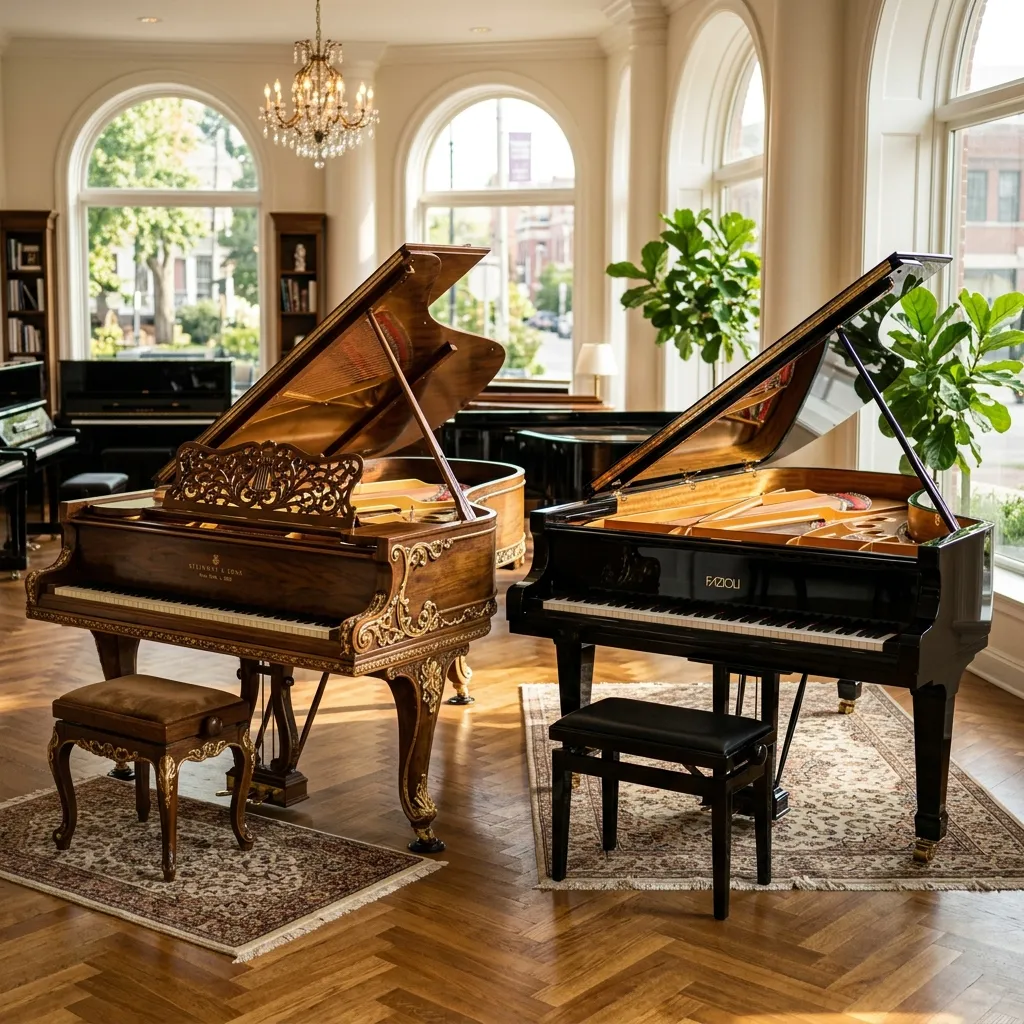
Deciding between Japan's two greatest piano manufacturers? Discover the distinct tonal differences between Kawai and Yamaha.
Yamaha and Kawai are the two giants of the Japanese piano industry, but they cater to very different musical tastes. Yamaha pianos are famous for their bright, clear, and 'cutting' tone, making them the preferred choice for pop, jazz, and recording studios. Kawai pianos, on the other hand, are designed with a warmer, darker, and more 'mellow' European tone, which classical pianists often prefer. Additionally, Kawai uses carbon-fiber (Millennium III) action parts, which are highly resistant to humidity changes, a huge plus in Toronto. Both brands require regular tuning, and at Piano Inside, we have 25 years of experience regulating both Yamaha's traditional wooden actions and Kawai's modern composite actions.
Condition matters more than the logo
For Toronto used piano buyers, the Yamaha-versus-Kawai decision should come after the inspection. A well-kept Kawai can be a better purchase than a neglected Yamaha, and the reverse is also true. James checks hammer wear, action repetition, tuning stability, bass string clarity, pedal function, cabinet exposure to sunlight and whether the piano has signs of humidity stress.
Pay attention to how the piano feels at soft volume. A bright Yamaha may still play beautifully if the hammers are not over-hardened, and a warm Kawai may still need regulation if repetition feels slow. In a Toronto home, the right instrument is the one that matches the room, the player and the maintenance history.
If the piano is for a small condo, teaching studio or family practice room, tone preference should be balanced against volume and room size. Compare this page with Yamaha U1 vs U3, the Piano Inside brand guide, and the Toronto used piano buying guide.