Yamaha U1 vs U3: Which Upright Piano is Better?
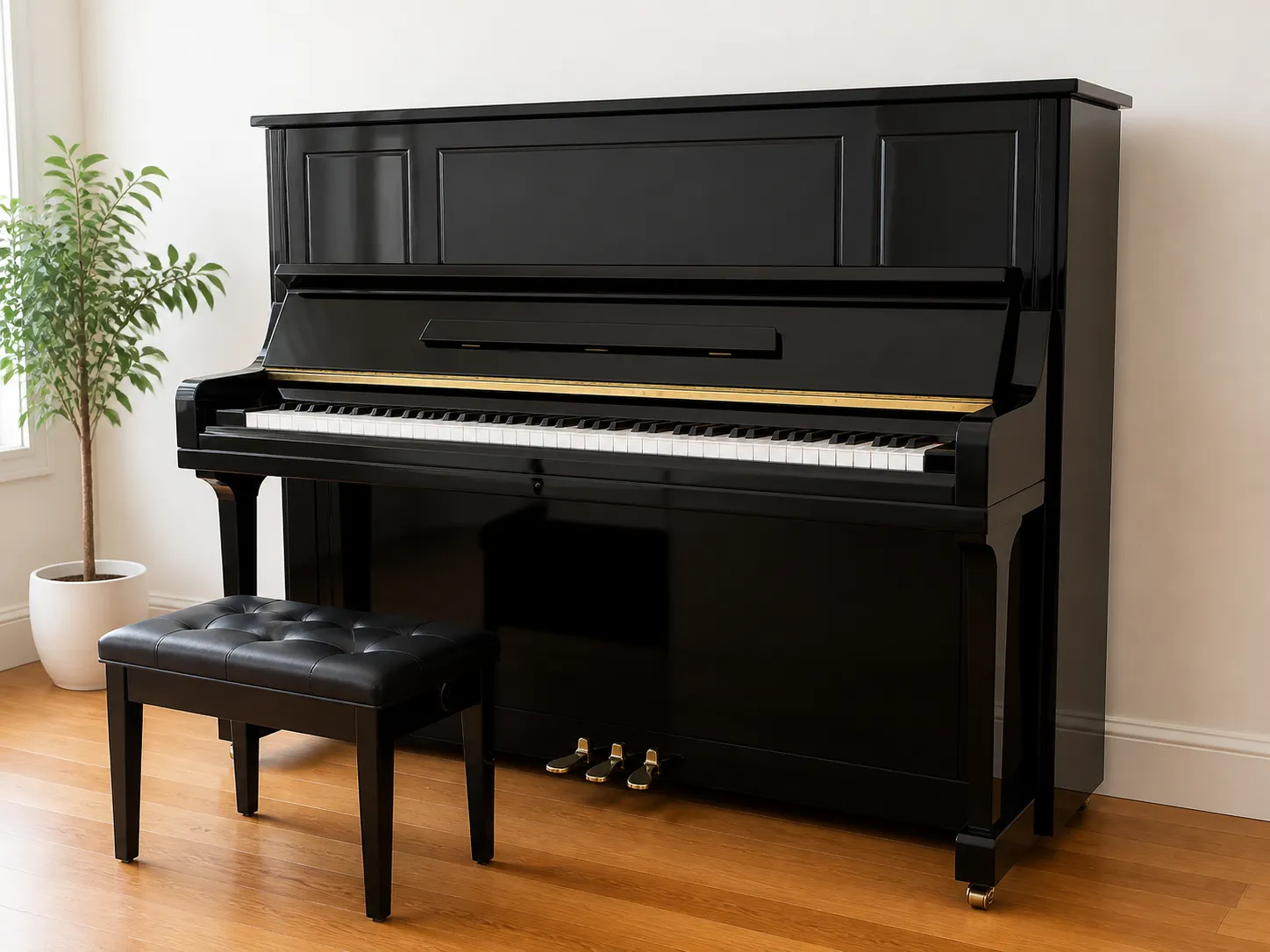
A detailed comparison of the two most popular professional upright pianos in the world. Which one is right for your home?
When shopping for a professional upright piano, the Yamaha U1 (48 inches) and U3 (52 inches) are the undisputed industry standards. Both are built in Japan and offer incredible tuning stability, which makes them practical choices for Toronto's fluctuating humidity. The U1 provides a bright, crisp tone ideal for smaller rooms. However, the taller U3 has longer bass strings and a larger soundboard, giving it a richer, deeper bass resonance closer to a small grand piano. If you have the space and budget, the U3 is often the stronger instrument.
Which model fits a Toronto home?
The best choice depends on room size, floor access, budget and condition. A U3 can overpower a small condo room, while a clean U1 may be easier to place and easier to move through tight elevators or stairs. For used Yamaha uprights, I check serial number, country of manufacture, hammer wear, tuning pin resistance, bass string condition and whether the piano has lived through dry heating seasons without proper humidity control.
Height alone should not decide the purchase. A tired U3 with loose tuning pins, deep hammer grooves or noisy action centres can cost more to bring back than a smaller U1 that has been tuned regularly. If the piano is listed privately, ask for clear photos of the plate, serial number, hammers, pedals and the pickup path before booking an inspection.
Before committing, compare the U1 and U3 against the broader Piano Inside brand guide and the used piano buying checklist. Piano Inside can help with appraisal, tuning advice and piano-specific moving planning.
U1 vs U3 quick comparison
| Yamaha U1 | Shorter, easier to place, often a strong fit for condos, smaller rooms and students who need a reliable upright. |
|---|---|
| Yamaha U3 | Taller, bigger bass and more power, but it needs enough room and should be checked carefully for age and condition. |
| Used piano risk | For either model, hammer wear, tuning pin resistance, humidity history and moving access can matter more than height. |
Technician diary: the better Yamaha is the one that survived better
I do not choose between U1 and U3 by height alone. I check whether the piano holds pitch, whether the hammers are deeply grooved, whether the bass strings are tired, whether the action is even and whether the serial number matches the seller's story.
In Toronto, the room matters too. A U3 can sound impressive in a larger house but too strong in a small condo. A clean U1 in stable condition may be the smarter purchase if it fits the room and can be moved without a difficult stair problem.
Photos I ask sellers for before inspection
- Serial number and plate area, clear enough to read.
- Hammer wear from the side, not only a polished cabinet photo.
- Back posts, pedals, bench, caster condition and any water marks.
- The stair, elevator, hallway and pickup path so moving cost is realistic.
Yamaha U1 vs U3 FAQ
Is the Yamaha U3 always better than the U1?
No. The U3 has a larger soundboard and longer strings, but a well-maintained U1 can be a better buy than a worn U3.
Which is better for a condo?
Often the U1 is easier to place in a condo. The U3 can work if the room is large enough and moving access is realistic.
Should I inspect before buying?
Yes. Used Yamaha uprights should be checked for serial number, tuning stability, action wear, soundboard condition and pickup access.